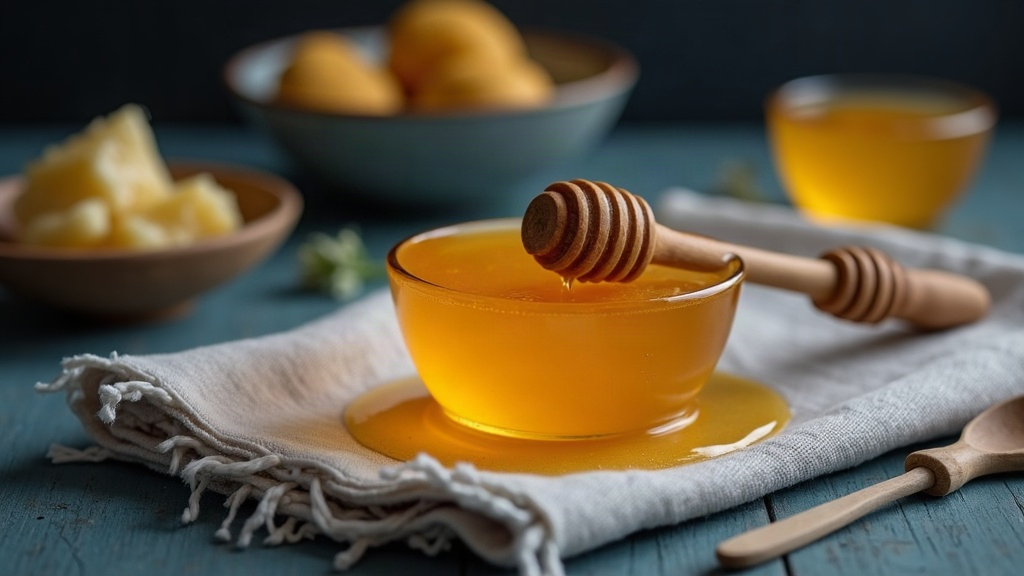
Across long winters in the north, families still stir a spoonful of honey into a warm drink before the lights go down — a small pause many say marks the difference between a scattered evening and a settled one. This short video walks through the routine, step by step.
It’s rarely one single thing. Most people notice a slow drift in small daily anchors — and winter tends to make it more obvious.
When daylight shortens, evenings arrive earlier and routines that once anchored the day quietly slip. Many people don't notice until the pattern has repeated for weeks.
A warm drink with honey before bed used to be a common pause in many households. Under screens and late errands, that small ritual is often the first thing to go.
Shorter days and longer nights can shift when the body naturally winds down, which shows up the next day as a slower, foggier start.
Reading a page before bed, writing three lines in a journal, a fixed evening tea — these tiny habits often disappear first, and their absence is felt more than noticed.
A lot of what circulates about memory after 50 mixes half-truths with old folklore. Here’s a closer look at three common ones.
Memory decline after 50 is inevitable and irreversible.
Many everyday lapses are tied to routine, sleep quality, and stress load — not a fixed, one-way decline.
Brain games alone are enough to keep the mind sharp.
Consistent daily habits — sleep timing, light exposure, a steady evening routine — tend to matter just as much as any single mental exercise.
Honey is just sugar and has no place in a mindful routine.
In many Nordic households, a small spoonful of honey is used as part of a calming evening ritual — a cue to slow down, not a stimulant to chase.
This isn’t a program to follow perfectly. It’s three small moves borrowed from a routine that’s been repeated for generations in long, dark winters.
Set aside ten quiet minutes before bed — no screens, no errands. In many Nordic homes, this is when a warm drink with honey is prepared and slowly sipped.
Dim the lights, hold something warm in your hands, breathe slowly. The goal is a repeated sensory cue that tells the body the day is closing.
The ritual works less as a single event and more as a pattern. Consistency across the winter season is the part most people skip — and the part that seems to matter most.
In parts of the far north, where winter darkness can stretch for most of the day, evening routines built around warmth and stillness have long been part of household life. A cup of something warm sweetened with honey, a fixed hour, a dim room — passed down more through habit than instruction. In recent years, general interest in evening light exposure and wind-down routines has grown among researchers studying daily rhythms, though this remains an area of ongoing, general study rather than settled conclusions.
The insight isn’t the honey itself — it’s the fixed, repeated pause it’s tied to. The ritual gives the evening a clear edge, something many modern routines have lost.
Losing the thread of what you were saying more often than before, especially later in the day.
Keys, glasses, or a phone turning up in unusual places with increasing frequency.
Needing to double-check steps in something that used to be automatic.
Not just the details, but that the conversation happened at all.
A mental fatigue that seems to arrive sooner than it used to, especially in darker months.
Skipping hobbies or evening habits that used to feel easy, without a clear reason why.
These are individual accounts shared for illustrative purposes only. Results and experiences vary from person to person, and none of the above should be read as a guarantee of any outcome.
No. This video walks through a general evening routine and lifestyle habit. It is educational content only and is not a substitute for medical advice.
The video mentions a simple warm drink with honey as part of the routine — nothing specialized or hard to find.
It’s a short, focused watch designed to be completed in one sitting, ideally in the evening.
The routine is inspired by a winter tradition, but the underlying habit — a fixed, calm evening pause — can be practiced year-round.
It’s designed to complement, not replace, whatever routine already works for you.
No subscriptions or programs are required to watch the video. It’s a single piece of educational content.
Yes. If you notice persistent or worsening changes in memory or daily functioning, speak with a qualified healthcare professional.
See how a simple, repeated evening pause — warm drink, dim light, honey included — has been part of long winter routines for generations.
Advertising Disclosure: This page contains sponsored content and affiliate links. We may receive compensation if you click a link or make a purchase through this page. This helps support the content on this site at no additional cost to you.
Content Disclaimer: This content is for educational and informational purposes only and has not been evaluated by the FDA. It is not intended to diagnose, treat, cure, or prevent any disease or medical condition. Always consult a qualified healthcare professional before making changes to your routine, diet, or lifestyle.
Results Disclaimer: Individual results and experiences vary. Any testimonials or examples shared on this page are illustrative only and do not constitute a guarantee of any particular outcome.
© 2026 · All Rights Reserved